
Lower carbon. More secure supply. Local value.
Producing SCM in Israel lowers the carbon footprint of construction, diversifies supply, reduces dependence on imports and gives value to the country’s own clay resources.
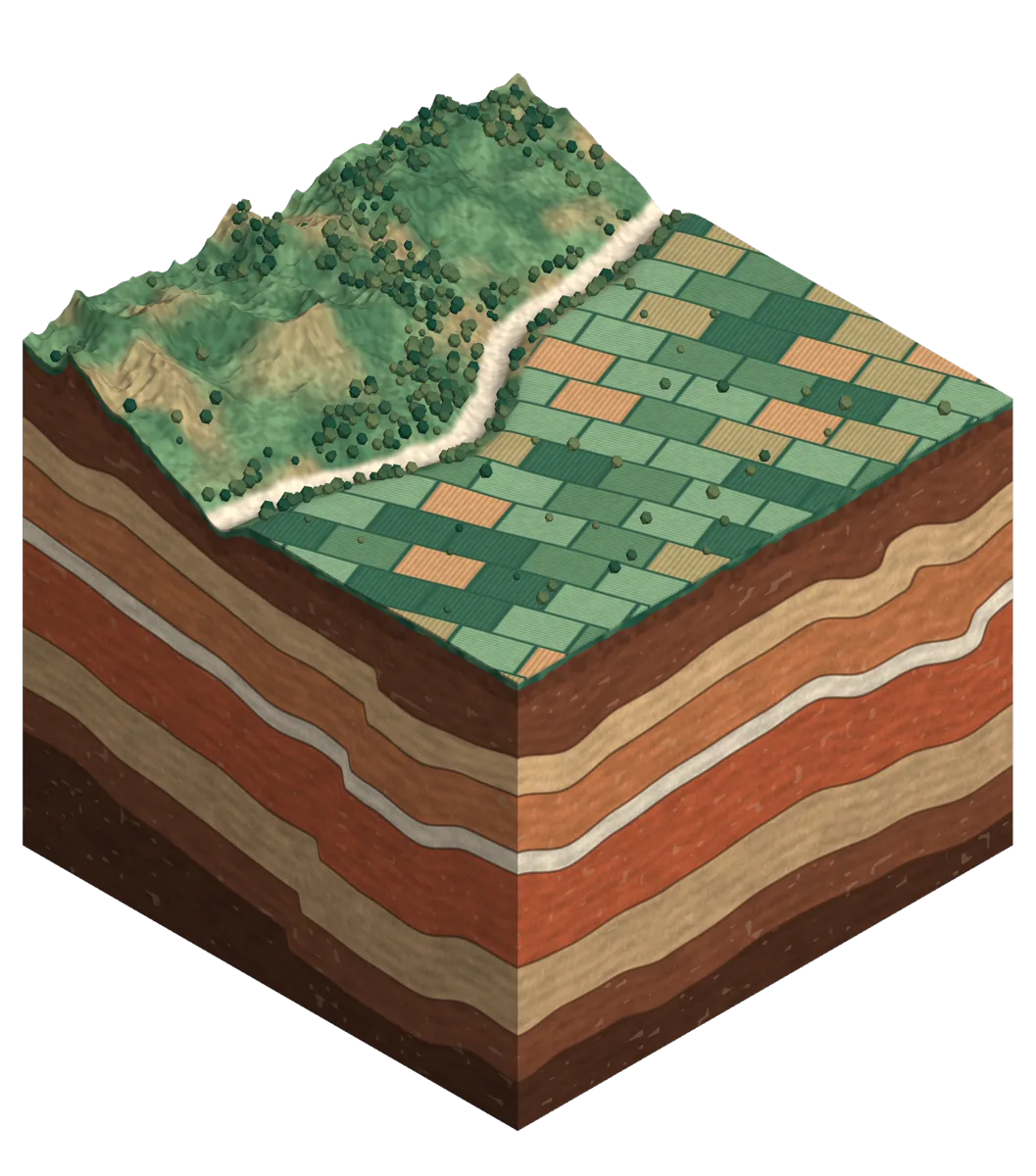
Four reasons to produce in Israel
We connect suitable local clays, a proven technology and the needs of Israeli cement and concrete producers.
-
A lower carbon footprint
Replacing part of the clinker with calcined clay lowers the CO₂ of cement and concrete. The SCM itself is produced with less than 50 kg of CO₂ per tonne.
-
Diversified supply
A local source of SCM adds to the materials producers rely on, alongside fly ash and slag, whose availability depends on other industries.
-
Less dependence on imports
Producing in Israel reduces the need to import cementitious materials and the exposure to distant supply chains.
-
Value from local resources
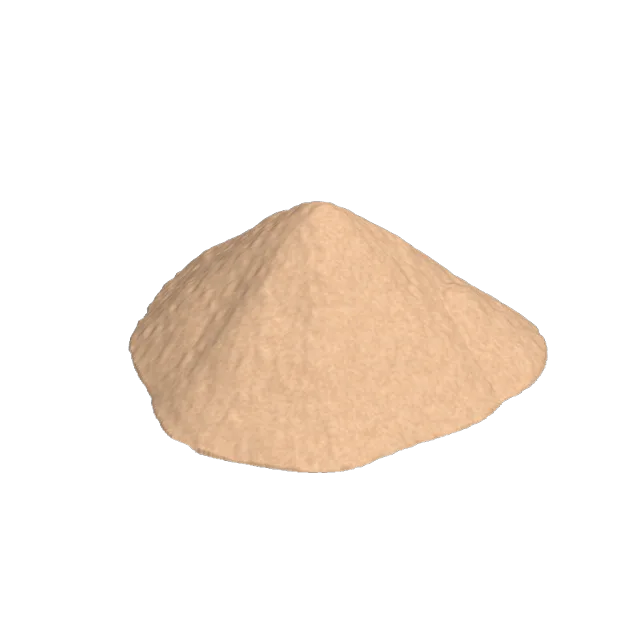
Israeli clays, identified and qualified for a defined industrial use, become a source of value and industrial know-how.





Connecting regional resources with industrial development
The Beit She’an region is the focus of the project: its clay resources are being evaluated, tested and assessed for industrial siting.
Progress will be shared as tests and milestones are confirmed.